The Psychology of Truthfulness in Islam: How Honesty Heals Mental Chaos
In this reflection

In a world where social media filters, corporate politics, and societal pressures often encourage us to wear masks, living authentically has become a rare challenge. We rarely think about dishonesty from a psychological perspective, but hiding the truth creates a constant, low-grade friction within our minds. Every time we manipulate the truth, our brain works overtime to maintain the facade, leading to subconscious stress and anxiety.
Islamic psychology introduces a profound solution to this modern mental exhaustion through the concept of Sidq (absolute truthfulness). Sidq is not merely speaking the truth with your tongue; it is an alignment of your speech, your actions, and your deepest internal intentions. When you practice truthfulness for the sake of Allah, you experience an immediate sense of Sukoon (internal peace) because you no longer have to carry the exhausting weight of pretense.
The Cognitive Load of Dishonesty vs. The Freedom of Sidq
Psychologically, telling a lie requires immense cognitive energy. Your brain must simultaneously hold the actual truth, invent a false scenario, make it believable, and remember it for the future to avoid getting caught. This state of hyper-vigilance keeps your nervous system on edge. Over time, chronic minor dishonesty erodes your self-esteem and creates mental chaos.
Islam beautifully cuts through this psychological trap. The Prophet Muhammad (PBUH) provided a foundational law of mental wellbeing when he said: "Truthfulness brings peace of mind (Sukun), whereas lying breeds doubt and anxiety." (Tirmidhi). By choosing absolute honesty, you instantly offload that mental anxiety, granting your mind the freedom to rest in its natural, tranquil state.
The Three Dimensions of Radical Truthfulness
To experience the full psychological healing of Sidq, Islamic psychology emphasizes that honesty must be practiced in three distinct areas of life:
1. Truthfulness with the Tongue (Sidq al-Lisan)
This is the most straightforward form—refusing to misrepresent facts, spread rumors, or manipulate words for temporary worldly gain. It ensures that your social interactions are anchored in genuine trust.
2. Truthfulness in Actions (Sidq al-Amal)
Living without hypocrisy. Your outer behavior should perfectly mirror your inner values. When your public life and private life are identical, you eliminate the inner conflict that causes modern identity crises.
3. Truthfulness with Allah (Sidq al-Qalb)
Being radically honest with your Creator about your flaws, your fears, and your struggles. True spiritual growth begins the moment you stop hiding behind self-deception and present your raw, broken self to Allah in Dua.
"O you who have believed, fear Allah and be with those who are true." (Surah At-Tawbah, 119)
How Practicing Truthfulness Cures Modern Anxieties
When you commit to a lifestyle of absolute honesty, you build a protective psychological shield around your mental wellbeing:
- Elimination of Paranoia: When you have nothing to hide, you never have to worry about being exposed. The constant fear of "what if they find out" completely disappears.
- Deepening of Real Relationships: Authenticity attracts authentic people. Truthfulness filters out toxic, superficial connections and surrounds you with relationships that provide real emotional safety.
- Alignment with Fitrah: Human beings are naturally wired for truth. Living truthfully means you are living in perfect harmony with your biological and spiritual design (Fitrah), which is the ultimate recipe for Sukoon.
Frequently Asked Questions (FAQ)
Q1: How does dishonesty physically and mentally affect human health?
From a psychological perspective, dishonesty triggers the brain's amygdala, releasing stress hormones like cortisol. This constant internal friction increases heart rate, generates anxiety, and depletes mental energy, whereas honesty keeps the nervous system calm.
Q2: What is the concept of 'Sidq' in Islamic psychology?
Sidq is the state of absolute authenticity where a believer's internal intentions, external speech, and practical actions are perfectly aligned for the sake of Allah, leaving no room for hypocrisy or self-deception.
Q3: Can being too honest harm social relationships in everyday life?
Islam pairs truthfulness with wisdom and gentleness. Being truthful does not mean being harsh or rude. Speaking the truth with empathy protects boundaries, builds long-term respect, and establishes genuine psychological safety in relationships.

Continue reflecting
Hope – A Light in Times of Darkness (By: Sabr and Sukoon Blog)
🌸 Introduction | تعارف English: Life often feels heavy with trials, but Hope in Islam reminds us that even in the darkest moments, light is near. The Qur’an and…

The Greatest Leader in Human History
10 qualities that built a civilization — and still speak directly to your heart today By Sabr And Sukoon · September 12, 2025 · Updated May 2026 · 12 min read "What…
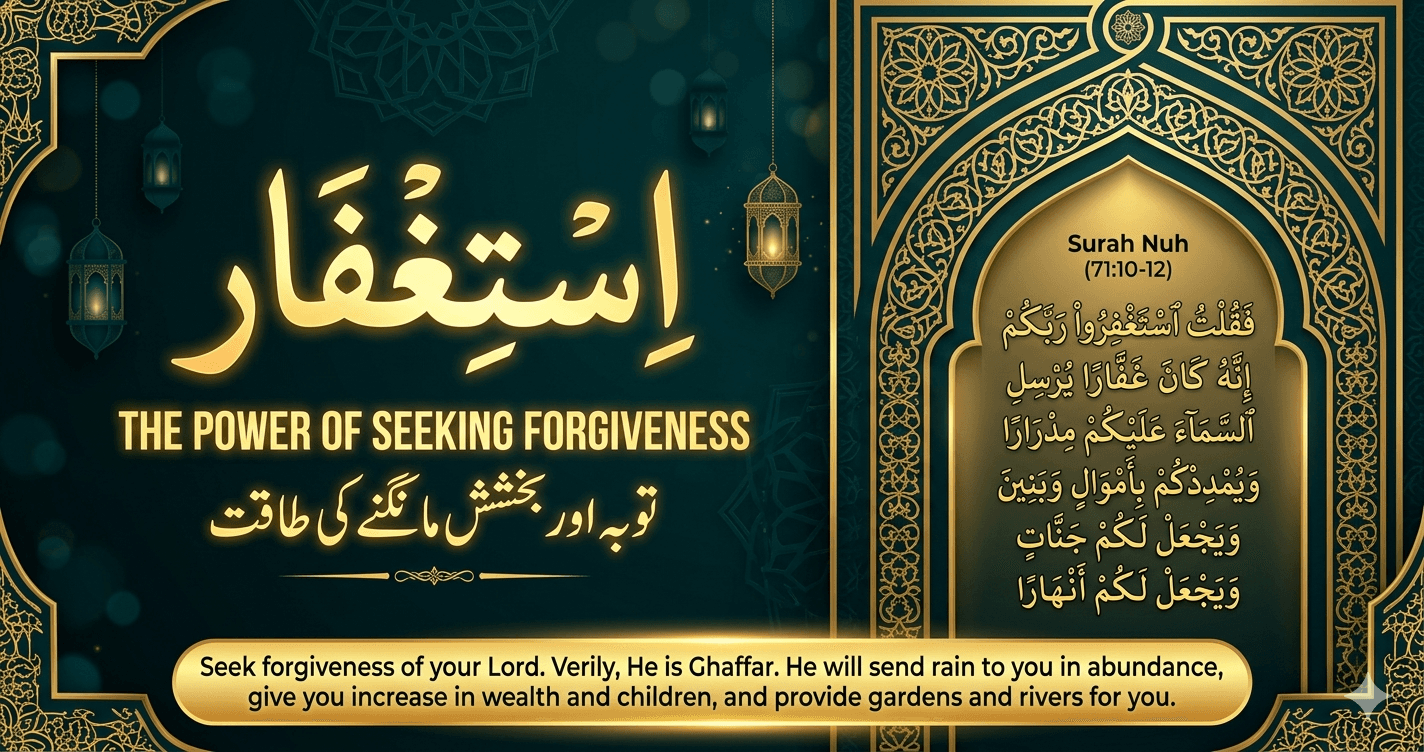
Istighfar – The Key to Barakah in Rizq and Life
Faith & Barakah Istighfar — The Key to Barakah in Rizq and Life Why seeking Allah's forgiveness may be the most overlooked door to abundance Nazia Firdous · June 5,…